
Approx. 10 minutes read
Some links may earn Pete’s Aquatics a commission at no extra cost. Recommendations are based on fit, use case, and available product details. As an Amazon Associate I earn from qualifying purchases.
Free aquarium checklist
Get the Aquarium Cycling Cheat Sheet
Learn the ammonia, nitrite, and nitrate checkpoints that keep a new tank from turning into guesswork.
No spam. Unsubscribe anytime.
How to Treat Fish with Ich (White Spot Disease): A Complete Guide
Seeing fish covered in white spots can be alarming. Treat the page as a response guide: observe the signs, test the water, improve oxygen, and confirm that the problem is likely ich before selecting a treatment. This guide covers identification, response, and prevention in a freshwater aquarium.
What is Ich (White Spot Disease)?
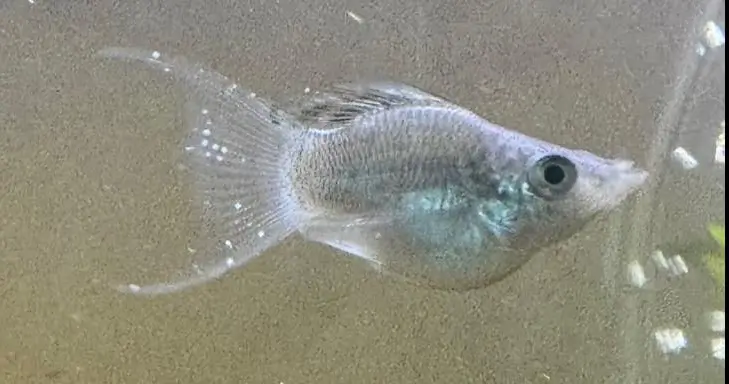
Ich, also known as white spot disease, is a sadly common parasitic infection in freshwater fish and aquariums. It is caused by the protozoan Ichthyophthirius multifiliis, yeah, I know… Fancy. That’s why we just say, “Ich.” It appears as small white spots on the body, fins, and gills. Because of the enclosed space, this disease can spread quickly in aquariums. This is why early detection is so important. Early observation, isolation when practical, and prompt water-quality correction can reduce the chance of a severe tank-wide outbreak. Ich can be introduced by infected fish, contaminated water, shared equipment, or other wet items. Good quarantine, sanitation, stable water quality, and lower stress reduce the risk of an outbreak.
Why Ich Is Tricky to Treat: The Life Cycle
Part of what makes ich so frustrating is that it moves through three distinct stages, and only one of them can actually be killed by medication:
- Trophont stage: the visible stage. This is when the parasite is burrowed into the fish’s skin or gills, feeding and growing — it’s what shows up as those white spots. Medication can’t reach it here; it’s protected under the skin.
- Tomont stage: the parasite drops off the fish and forms a cyst on the substrate or décor, where it divides into hundreds of new parasites.
- Theront stage: the free-swimming stage, when the newly hatched parasites are searching for a fish to infect. This is the only stage medication can actually kill.
This is exactly why the full treatment course matters so much, and why the spots disappearing doesn’t mean the parasite is gone (more on that in the step-by-step guide below). If you’re only medicating for a day or two, you’re likely missing an entire generation still cycling through the tomont stage.
How Do You Identify Ich in Fish?
Identifying ich is relatively straightforward, because it has pretty distinct symptoms. Look for the following signs:
- Small white spots on the fish’s body, fins, and gills.
- Fish may rub against objects in the tank, like they are itching themselves (sometimes called “flashing”).
- They may appear as if they are laboring to breath or gasping for air near the waters surface.
- They may eat less than normal and appear lethargic and slow.
These symptoms typically appear after adding new fish to your aquarium or maybe after a significant change in the conditions of the water. Again, anything that may cause the fish to be stressed can induce Ich.
How to Tell the Difference Between Ich and Epistylis?
While Ich (white spot disease) and Epistylis can appear similar due to the presence of white spots on fish, they are caused by different organisms and each requires different treatments. Here is how you can distinguish between Ich and Epistylis:
Appearance of Spots
- Ich: The white spots caused by ich are usually small, round, and they are evenly distributed over the body of the fish, and their fins, and gills. They can even look like grains of salt.
- Epistylis: The spots caused by Epistylis are more irregular in shape and usually appear in more cluster like shapes, different than the uniform appearance of Ich. They are particularly around wounds or damaged areas on the fish’s body. They can have a kind of fuzzy or cottonish appearance.
Location of Spots
- Ich: Ich spots are typically found all over the fish. This includes their gills, fins, and all over their body. They are usually evenly or uniformly distributed. The spots are also never seen on the fish’s eyes.
- Epistylis: Epistylis is typically more localized. It often appears on specific areas of the fish, like the mouth, fins, or where there is tissue damage. Opposite of Ich, Epistylis can be found on the eyes.
It can be difficult to spot the difference on certain fish, but it’s so important to be able to distinguish between these two illnesses. This is because using the wrong treatment can be ineffective or even harmful to your fish. If you are not sure whether your fish has ich or epistylis, I would snap a few good photo’s and take them to your local fish store. There are also great groups on Facebook for people with aquariums. They are always happy to help!
How Can You Treat Fish with Ich?
Luckily, there are a few effective ways to treat ich. These range from over-the-counter medications to more natural cures. Here are some of the most common ways to treat Ich:
Over-the-Counter Medications
Medications like Ich-X and Kordon Rid Ich Plus are some of the top most used medicines for treating ich. These medications usually contain chemicals like formaldehyde, malachite green, or methylene blue, which are effective in killing lots of parasites. One easy step people forget: pull the activated carbon out of your filter before dosing. Carbon will just absorb the medication out of the water before it can do its job — you can put fresh carbon back in once treatment is finished.
Aquarium Salt Treatment
Aquarium salt is sometimes used in ich response plans, but it is not a universal cure and is not safe for every species or setup. If salt is appropriate, use a hospital tank when possible, follow the product label, watch oxygen and stress closely, and avoid table salt. Here is what I use: API Aquarium Salt. Dissolve the dose in a separate container of tank water first rather than pouring it straight in — it mixes evenly and keeps undissolved granules from irritating the fish.
Raising Water Temperature
You should not rely on heat as a stand-alone cure. If the species can tolerate it, a cautious temperature increase may speed the parasite lifecycle, but medication choices still need to follow label directions and oxygen must be watched closely. While this method can be used alone, can be even more effective when combined with other treatments, like medicine or salt.
Natural Remedies
Some aquarists prefer natural solutions, such as garlic or herbal ich treatments. While these can be effective, they are not as reliable as some of the more conventional medications.
What is the Step-by-Step Guide to Treating Ich?
Step 1: Set Up a Quarantine Tank
If it’s possible, move infected fish to a separate quarantine tank. This will prevent the spread of ich to other fish in the main aquarium. Just make sure the quarantine tank has proper filtration, heating, and aeration. I usually add an independent air stone into the water.
Step 2: Begin Treatment
Start by administering the treatment plan, whether that is medication, salt, or increased temperature. Pay attention to the manufacturer’s instructions for dosage and duration treatment.
Step 3: Monitor Your Fish
Keep a close eye on your fish during the treatment process. Look for signs of improvement or any negative reactions to the treatment, like swimming or behavior changes. Like antibiotics, don’t stop any of these treatment methods at the first sign of the fish being better. Continue the treatment for the full recommended time period. The symptoms may disappear before the parasite is actually gone.
Step 4: Water Changes
Because the hospital tank is not cycled, frequent water changes are required during and after treatment process to remove any remaining parasites and toxins. Check the water parameters, and make sure they are stable to reduce stress on the fish.
Step 5: Clean the Aquarium
After treatment is fully finished, thoroughly clean your aquarium. Be sure to include the substrate, decorations, and equipment, to remove any lingering, gross, parasites.
How Can You Prevent Future Ich Outbreaks?
Like most aquarium catastrophes, preventing ich altogether is a lot easier than treating it. Here are some tips to help keep your aquarium ich-free:
Quarantine New Fish
It’s so hard to do, but if you can, always quarantine new fish for at least two weeks before adding them to your main aquarium. This helps prevent the introduction of ich and other diseases, because you will be observing the new fish for the time period where an illness could pop up. Ich may take a week to appear, which is why you need to quarantine the new fish for two weeks. If the process is rushed, you may add the fish into the tank the day a sickness appears. Bummer…
Maintain Water Quality
As it was said earlier, Ich can be avoided by keeping your fish stress free. The best way to do that is to keep your aquarium water clean and stable. Do regular water changes and monitoring water parameters. Poor water quality can stress fish, making them more likely to get diseases like ich. If you want more info this, take a look at our blog post on good maintenance practices for your aquarium
Early Detection
Keep an eye on your fish. Watch for signs of illness, like odd swimming behaviors, fins held close to their bodies, or changes in eating habits. Catching things early allows for quicker treatment, lowering the overall risk of a severe outbreak.
Frequently Asked Questions About Ich
Can ich affect both freshwater and saltwater fish?
Yes, but it’s not the same organism. Ichthyophthirius multifiliis (“ich”) is the freshwater parasite this guide covers; the saltwater equivalent, sometimes called “marine ich,” is a different parasite (Cryptocaryon irritans) and isn’t treated the same way.
Do I need to move infected fish to a hospital tank?
Not always — but it helps. A separate quarantine or hospital tank makes it easier to treat at full strength without dosing your whole display tank, decorations, and substrate.
Can ich spread on plants or decorations?
Yes. Anything that’s been in an infected tank’s water can carry the parasite between the tomont and theront stages, so it’s worth rinsing or quarantining new decor and plants before they go into an established tank.
Is raising the temperature alone enough to cure ich?
No — treat it as one part of a plan, not a stand-alone cure. See the “Raising Water Temperature” section above for the cautions on oxygen and species tolerance.
Ich (white spot disease) is a common, but treatable condition in aquarium fish. If you are able to follow the steps outlined in this guide, you can effectively treat ich without issues, and you can prevent future outbreaks all together. Remember, the key is early detection and quick action.