
Approx. 6 minutes read
Some links may earn Pete’s Aquatics a commission at no extra cost. Recommendations are based on fit, use case, and available product details. As an Amazon Associate I earn from qualifying purchases.
Anchor Worms in Fish Tanks: What They Are and How to Get Rid of Them

Table of Contents
- What are Anchor Worms?
- How Do Fish Get Anchor Worms?
- Symptoms of Anchor Worms in Fish
- How Do You Treat Anchor Worms?
- How Do You Prevent Anchor Worms?
- Beginner Tips
- Advanced Insights
What Are Anchor Worms?
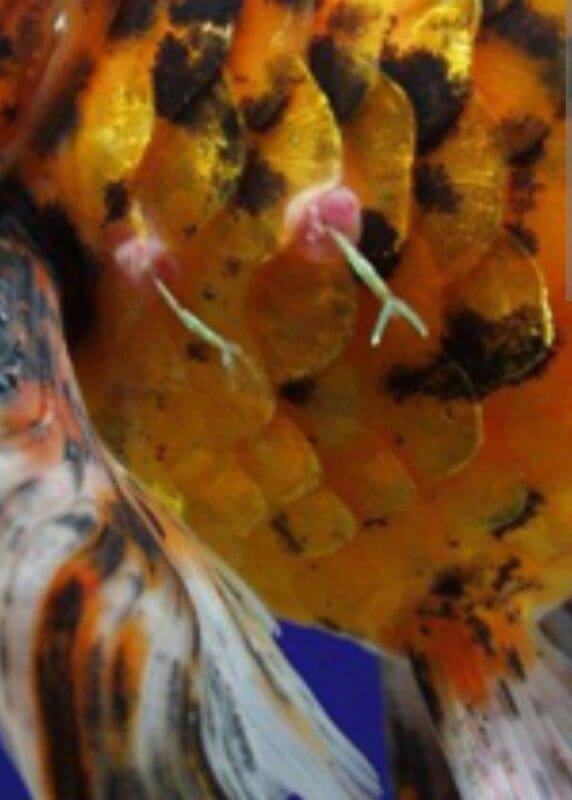
So, anchor worms are pretty much the last thing you want hanging around in your fish tank. Technically, they’re parasitic crustaceans (like crabs, but way less fun). These guys burrow into your fish’s skin, causing inflammation, itching, and infections. They’re not even subtle about it—you’ll see them poking out of your fish like thin little threads, just hanging there. Lovely, right?
Fun Fact: Anchor worms may sound like your average worm, but they’re more like crabs and lobsters. They just happen to look like worms. Nature sure has a sense of humor.
Free aquarium checklist
Get the Aquarium Cycling Cheat Sheet
Learn the ammonia, nitrite, and nitrate checkpoints that keep a new tank from turning into guesswork.
No spam. Unsubscribe anytime.
How Do Fish Get Anchor Worms?
Anchor worms get into your tank in a couple of sneaky ways. New fish or plants are usually the culprits. If you skip the quarantine step (and let’s be honest, we’ve all been tempted), you could be inviting anchor worms to the party. Stressful environments—like dirty water or overcrowded tanks—just add to the problem. Stress weakens your fish’s immune systems, making them prime targets.
Anchor Worm Infestation Causes:
- New fish or plants from a pet store (quarantine is your new best friend)
- Poor water quality (keep that tank sparkling)
- Overcrowded tanks (your fish need elbow room—or fin room, I guess)
Symptoms of Anchor Worms in Fish
If you’re wondering whether your fish have anchor worms, the first clue is usually a horrifying little worm sticking out of their skin. I’m talking about white or red thread-like parasites that are just there, living rent-free on your fish. But they’re not the only symptoms to watch out for. Your fish might also start “flashing,” which is just a fancy way of saying they’ll rub themselves against stuff to try to scratch the itch. Fish are pretty clever when it comes to finding ways to cope, but they still need our help.
Here’s what to look for:
- Visible worms: Thin, worm-like parasites sticking out from the fish’s body.
- Inflamed skin: Red, irritated patches where the worms burrow in.
- Flashing: Fish rubbing against decorations, rocks, or plants in the tank.
- Lethargy: As the worms suck nutrients from your fish, they might slow down or stop eating.
How Do You Treat Anchor Worms?
1. Manual Removal (Grab the Tweezers)
If you can see the parasite, physical removal may be discussed, but rough handling can injure fish. Use a hospital setup, keep the fish wet and supported, remove only what you can clearly identify, and get experienced help if the parasite is deep, near the gills or eyes, or the fish is fragile.
Pro Tip: Pull slowly and gently. Fish are delicate, and you don’t want to tear their skin.
2. Salt Baths (Fishy Spa Time)
Salt baths are sometimes used as supportive care, but a generic recipe is not safe for every species or condition. Use a separate hospital container, match temperature, watch breathing closely, and follow product-label or qualified fish-health guidance instead of repeating an unsourced dose.
3. Chemical Treatments (When Things Get Serious)
If your infestation’s out of control, chemical treatments like Dimilin or Anchor Worm Out are your go-to. These medications disrupt the anchor worm’s lifecycle, stopping them from reproducing. You’ll have to dose your tank over a couple of weeks, following the instructions to the letter.
4. Medication Choices
If you are not sure whether you are dealing with anchor worms, fish lice, injury, or another parasite, pause before broad treatment. Compare the visible signs, test water, read medication safety, and use products only according to the label or qualified guidance.
5. Water Changes (Back to Basics)
Sometimes, the best way to get ahead of a problem is to go back to the basics. Regular water changes can help get rid of any free-floating larvae. Aim for a 25% water change every few days during treatment, then go back to weekly water changes to keep things fresh.
How Do You Prevent Anchor Worms?
1. Quarantine New Fish and Plants
Quarantine new additions before introducing them to your main tank. The observation period gives you time to watch for visible parasites, wounds, flashing, breathing changes, and appetite problems.
2. Keep Your Water Clean
Anchor worms love dirty water. Regular water changes and a well-maintained filter will keep your fish healthy and make it harder for parasites to move in.
3. Don’t Overstock Your Tank
An overstocked tank stresses your fish, and stressed fish are more likely to fall victim to parasites. Stick to recommended stocking levels for your tank size.
4. Buy from Reputable Sellers
Buying from a seller you trust is key, but no source can make every new fish risk-free. Inspect fish and plants before purchase and quarantine new arrivals before they enter the display tank.
Beginner Tips
- Quarantine your fish for at least two weeks. Patience pays off.
- Keep an eye on your fish for flashing and scratching behavior.
- Start with simple salt baths if you’re nervous about using chemicals.
Advanced Insights
- Use Dimilin for severe infestations.
- Check water parameters after dosing medications to keep sensitive fish safe.
- Manually removing anchor worms can prevent larvae from spreading further.
Anchor worms are serious, but a careful plan can reduce spread and secondary infection risk. Focus on water quality, isolation when appropriate, visible parasite confirmation, and prevention through quarantine and equipment hygiene.
For next steps, compare the visible signs with the safety note below, test water, and read medication labels carefully before using parasite products such as API General Cure or Seachem Paraguard.
Fish Health Safety Note
Anchor worms: Start with observation and water testing before choosing treatment. This note is triage, not diagnosis.
Often confused with
Fish lice, injuries, ulcers, fungus on wounds, and debris stuck to the fish.
First checks
Inspect closely, check tankmates, and test water because wounds heal poorly in unsafe water.
Visible parasites and open wounds can need hands-on help; rough removal can injure fish and missed pieces can leave secondary infection risk.
Before dosing, read aquarium medication safety. If one fish needs closer observation or treatment, use the hospital tank guide. For new arrivals or suspected contagious disease, review quarantine new fish.
Get help from an aquatic veterinarian or experienced local aquarium keeper for severe breathing distress, fast decline, repeated deaths, unusual sores, or possible human-health risk.
For the sitewide process, use the fish health troubleshooting hub. Veterinary references: Merck fish disorders overview and Merck aquarium fish management.