Hydra in a Shrimp Tank: Risks, and Removal

Hydra in a Shrimp Tank: Identification, Risks, and Safe Removal Methods

Hydra in a shrimp tank are usually a sign that tiny foods are available in the water column. Adult shrimp can often live around a few hydra, but shrimplets are much more vulnerable because hydra can sting and grab very small prey.

Approx. 6 minutes read

If you see hydra, do not panic and do not immediately dump treatment into the tank. First confirm what you are seeing, reduce the food source, protect shrimplets, and choose the least disruptive removal method that fits the tank.

Quick Answer

Situation What to do
A few hydra, no shrimplets Reduce feeding, clean targeted areas, and monitor.
Hydra plus shrimplets Act sooner. Manual removal and food control are the first steps.
Heavy infestation Consider a dedicated treatment plan, but protect shrimp, snails, and biological filtration.
New plants or hardscape introduced Quarantine and rinse future additions more carefully.

Hydra are not a reason to tear down a tank by default. They are a reason to tighten feeding, observe the colony, and remove the pests in a controlled way.

Free aquarium checklist

Get the Aquarium Cycling Cheat Sheet

Learn the ammonia, nitrite, and nitrate checkpoints that keep a new tank from turning into guesswork.

No spam. Unsubscribe anytime.

How To Identify Hydra

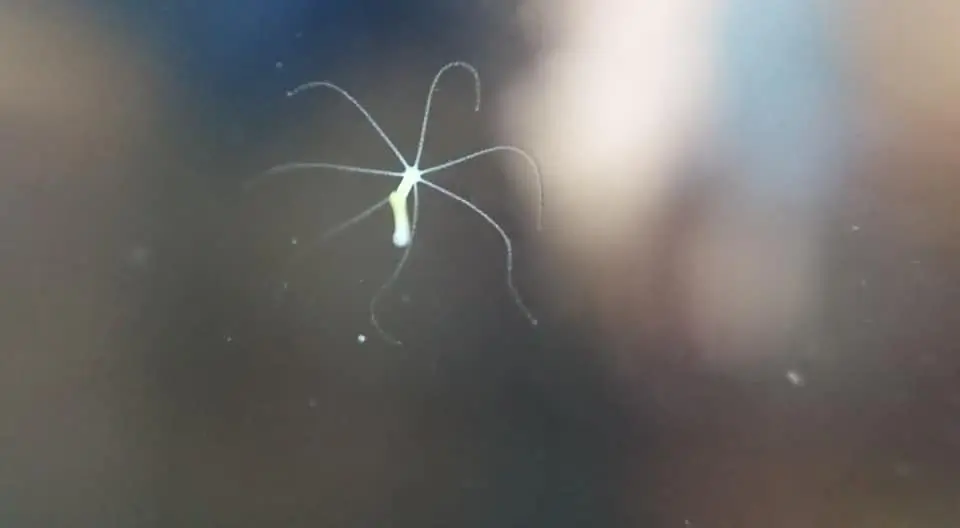
Hydra are tiny freshwater animals that usually attach to glass, plant leaves, filter parts, or hardscape. They often look like a small white, clear, or greenish stalk with thin tentacles at the end.

Advertisement

The tentacles are the key detail. Detritus worms move like small threads. Planaria glide and have a flattened body. Hydra usually stay attached in one spot and wave their tentacles into the water.

Use a flashlight and look at the front glass after the tank has been quiet for a while. If the shape looks like a tiny stalk with arms, assume hydra until proven otherwise.

Are Hydra Dangerous To Shrimp?

For adult Neocaridina or Caridina shrimp, a small number of hydra is usually more of an annoyance than an emergency. Adult shrimp are too large for hydra to eat.

Shrimplets are different. Newborn shrimp are tiny enough that hydra can sting, stress, or capture them. If you are breeding shrimp and you suddenly see fewer shrimplets, hydra should be on the suspect list.

The risk is highest in tanks that receive powdered food, baby food, infusoria-style foods, or heavy feeding that leaves fine particles behind.

Why Hydra Show Up

Hydra usually arrive on plants, moss, hardscape, livestock bags, or transferred equipment. They can also become noticeable after you start feeding more tiny foods.

Common triggers:

  • New plants or moss added without quarantine.
  • Overfeeding powdered shrimp food.
  • Uneaten baby food or fry food.
  • Low-flow debris pockets.
  • Moving plants or filter media from another tank.

Hydra are opportunistic. If the tank keeps feeding them, they multiply.

First Steps Before Treatment

Start with the low-risk fixes:

  1. Reduce feeding for several days.
  2. Stop powdered or broadcast feeding unless shrimplets truly need it.
  3. Siphon visible debris from the substrate surface.
  4. Remove visible hydra from glass with a scraper and siphon.
  5. Inspect moss, floating plants, and filter intakes.
  6. Watch shrimplet survival over the next week.

These steps will not always remove every hydra, but they reduce the food supply and make the problem easier to control.

Manual Removal

Manual removal works best when hydra are mostly on the glass or a removable object.

Scrape the glass and siphon at the same time so the dislodged hydra leave the tank. If hydra are on a removable plant clipping, decoration, or sponge guard, remove the item and clean it outside the aquarium.

Do not stir the whole substrate aggressively in a shrimp tank. Shrimp handle stability better than chaos.

Should You Add Predator Fish?

Predator fish can eat hydra, but they can also eat shrimplets. That tradeoff matters.

In a display tank with adult shrimp only, a small fish may help. In a breeding tank, adding fish often solves one problem by creating another. If your goal is shrimplet survival, predator fish are usually not the first move.

What About No Planaria Or Other Treatments?

Some shrimp keepers use hydra or planaria treatments as a last resort, but this is where you need caution. Products that affect small pests may also affect snails, sensitive invertebrates, or the tank’s biological balance.

Before using any treatment:

  • Read the exact product label.
  • Remove sensitive snails if the product warns about them.
  • Increase observation and aeration.
  • Avoid combining treatments.
  • Do a planned water change afterward if the instructions call for it.
  • Test ammonia and nitrite after treatment.

Do not add a chemical treatment just because you saw one hydra on the glass. Use it only when the infestation is large enough or shrimplet losses are serious enough to justify the risk.

Avoid Heat Treatment In An Active Shrimp Tank

High heat can kill hydra, but it can also kill or badly stress shrimp, plants, snails, and beneficial bacteria. For a shrimp tank, heat treatment should not be treated as a normal quick fix.

If an object can be removed from the aquarium, clean that object separately. If the whole tank has hydra, use feeding control, manual removal, and a careful treatment plan instead of cooking the tank.

Prevention

The best hydra plan is prevention:

  • Quarantine new plants when possible.
  • Rinse moss and plant clumps before adding them.
  • Avoid routine overfeeding.
  • Feed powdered foods only where and when needed.
  • Siphon leftover food from low-flow areas.
  • Keep sponge guards and filter intakes clean.

If you are raising shrimplets, feed small amounts more often instead of dumping a cloud of food into the tank.

When To Worry

Worry more if:

  • You see many hydra across the glass and plants.
  • Shrimplets are disappearing.
  • You are feeding lots of powdered foods.
  • Hydra return quickly after manual removal.
  • The infestation is in a dedicated breeding tank.

Worry less if you see one or two hydra in an adult-only shrimp tank and the colony is otherwise stable.

FAQ

Will hydra kill adult shrimp?

Usually no. Adult shrimp are normally too large. The bigger concern is newborn shrimp and very tiny fry.

Can hydra kill shrimplets?

Yes, hydra can threaten shrimplets. If you are breeding shrimp, treat hydra as more than a cosmetic issue.

Should I stop feeding my shrimp?

Do not starve the colony, but reduce excess food and stop broadcast powdered feeding for a few days if hydra are multiplying.

Are hydra a sign of bad water?

Not exactly. They are more often a sign of available tiny food and an introduced pest. Still, test water if shrimp are acting stressed.

What should I check next?

Check feeding, shrimplet survival, plant quarantine habits, and water stability. The TDS Calculator and shrimp parameter guides can help if the tank is also showing stress signs.

Next Step

If the tank has shrimplets, read the shrimp fry guide next. If the issue is part of a broader pest or disease concern, use the shrimp parasite guide and tighten water-parameter stability before choosing any treatment.

For a wider shrimp-care path, start with the Shrimp Guides hub. If you need gear help, use the Aquarium Equipment Finder.

Advertisement

Browse Blog GuidesUse the Aquarium Equipment Finder

Leave a Reply